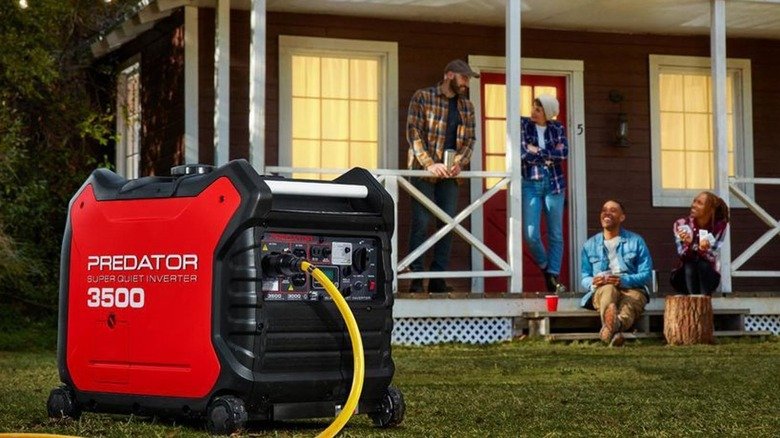
When the lights go out or the job site calls for portable power, many folks start hunting for a generator that won't break the bank. Chances are, your search quickly led you to Harbor Freight, and specifically, their Predator brand. But wading through all the hype and specifications can be tough. What's the real story behind Harbor Freight Predator Generator Reviews & Comparisons? Are these budget-friendly powerhouses genuine contenders, or just another case of "you get what you pay for"?
We're here to cut through the noise and give you the comprehensive, no-nonsense breakdown. We’ve poured over user experiences, crunched the specs, and even consulted expert opinions from sources like Consumer Reports to help you decide if a Predator generator is the right workhorse for your needs.
At a Glance: Predator Generators
- Affordable Power: Known for competitive pricing across a wide range of models (2000 to 8750 starting watts).
- Versatile: Suitable for homeowners, contractors, campers, and outdoor enthusiasts for emergency backup and recreational use.
- Engine Performance: Primarily 212cc or 224cc four-stroke OHV gasoline engines deliver consistent running watts.
- Inverter Options: Select models offer clean power for sensitive electronics, often with significantly quieter operation.
- Balanced Durability: Solid metal frames but some concerns about plastic parts and fuel systems under heavy, continuous use. Best for typical residential/light commercial, not extreme industrial.
- Ease of Use: Generally positive feedback on startup, operation, and portability; electric start available on many models.
- Common Grips: Occasional initial setup quirks, fuel system issues, electrical component concerns after extended use, and mixed customer service experiences.
- Warranty: 90-day standard warranty (longer for emissions components), a key differentiator from premium brands.
- Bottom Line: Excellent value for occasional use and non-critical applications, but consider alternatives for long-term, heavy-duty, or mission-critical power where reliability is paramount.
Predator Generators: The Allure of Unbeatable Value
Let's be honest, the first thing that catches your eye with a Predator generator is the price. Harbor Freight has built a reputation on offering tools and equipment at a fraction of the cost of premium brands, and their generator line is no exception. This competitive pricing is a huge draw, making reliable power accessible to more people.
But it’s not just about being cheap. Predator generators pack a punch with features you'd expect on more expensive models, like electric start options, robust engines, and compact designs built for portability. From powering a few essential appliances during a blackout to running tools on a job site or keeping your campsite comfortable, there's likely a Predator model designed for the task.
Under the Hood: Power & Performance You Can Expect
When you're comparing generators, the numbers matter. Predator models typically range from 2000 to 8750 starting watts. This broad spectrum means you can find everything from a small, portable unit for a tailgate party to a beefier generator capable of keeping critical home appliances running.
Most Predator generators are powered by either 212cc or 224cc four-stroke OHV gasoline engines. These engines are known for their efficiency and provide consistent running watts, which is the continuous power your generator can supply. Users often report these engines are perfectly capable of powering common household items like HVAC units, power tools, kitchen appliances, and small electronics, with peak performance generally aligning with advertised outputs. For more in-depth guidance on choosing the right power for your needs, exploring Harbor Freight portable generators can provide valuable context on various models and their specific capabilities.
Inverter Technology: Clean Power for Sensitive Devices
Here's where Predator gets interesting: they offer inverter generators. Unlike traditional conventional generators that produce "dirty" power with fluctuating voltage, inverter models generate a much cleaner sine wave. This "clean power" is crucial for sensitive electronics like laptops, smartphones, and even some modern appliances that can be damaged by inconsistent power.
Consumer Reports, for instance, has specifically praised Predator inverter generators like the 62353 and the 3500-watt model, describing them as "refined pieces of equipment." If your primary need is to power devices with delicate circuitry, an inverter Predator is definitely the way to go.
Fuel Economy & Runtime: Keeping the Lights On Longer
No one wants to constantly refuel their generator, especially in an emergency. Predator generators feature reasonable fuel tank sizes, designed to give you decent runtimes on regular gasoline. For example, a larger unit like the Predator 8750, with its 13.25-gallon tank, can run for about 10 hours at 50% load. Smaller models typically offer 6–8 hours of runtime for lighter loads.
Keep in mind, fuel efficiency is always a bit of a dance; it fluctuates based on how much load you put on the generator and how well it’s maintained. Running at full capacity will naturally burn through fuel faster than running at a lighter load.
Build Quality & Durability: What to Expect
A generator is an investment, even a budget-friendly one, so you want it to last. Predator generators generally feature a durable metal frame that protects the internal components and makes them easier to transport. For the price point, the overall build feels solid.
However, it's important to set realistic expectations. While the metal frame is robust, some users have noted that certain plastic parts or fuel system components might show wear sooner under heavy or continuous use. Predator generators are built for typical residential and light commercial conditions. They’re excellent for occasional emergency power, weekend camping trips, or powering tools on a smaller job. They are not designed for extreme, long-term, heavy-duty industrial applications where a generator might run non-stop for days or weeks. For those demanding scenarios, industrial-grade equipment would be a more suitable, albeit pricier, choice.
Ease of Use & User Experience
A generator should simplify your life, not complicate it. Predator generators generally receive positive feedback for their ease of startup and operation. Many models, particularly the larger ones, come with an electric start, which is a game-changer when you need power fast and don't want to wrestle with a pull cord.
Portability is also a strong suit for many Predator models. Features like lift handles and compact designs make them relatively easy to move around, whether you're shifting it in your garage or loading it into a truck bed. Multiple power outlets are standard, allowing you to distribute power flexibly across various appliances or tools.
Noise Levels: Conventional vs. Inverter Generators
One of the biggest differences in user experience comes down to noise.
- Conventional Predator Generators: These tend to operate at noise levels similar to many traditional open-frame generators, typically hovering around 68 to 75 decibels. To put that in perspective, 70 decibels is roughly the sound of a vacuum cleaner or a busy street. It's tolerable for occasional use or if you can place the generator a good distance away, but it's not "quiet."
- Predator Inverter Generators: This is where they truly shine on the noise front. Consumer Reports specifically notes that Predator inverter generators (like the 62353 and 3500) are "very, very quiet." Measured at 23 feet, these units are barely above a whisper, making them ideal for camping, tailgating, or residential backup where you don't want to disturb the neighbors (or yourself). If quiet operation is high on your list, focus on the inverter models. You might also want to look into inverter generator benefits for more detail on why these models are often preferred for certain situations.
The Nitty-Gritty: Common Issues & Pitfalls
No product is perfect, and Predator generators, despite their value, have a few common issues that crop up in user reviews. Knowing these can help you mitigate them or decide if they’re dealbreakers for you.
- Initial Setup Challenges: Some users report minor assembly or setup difficulties, especially with the very first oil change or priming the fuel system. It’s rarely anything major, but it’s worth taking your time with the manual for the first run.
- Fuel Valve and Carburetor Problems: This is one of the more frequently mentioned issues. Fuel line clogs and carburetor adjusting issues can occasionally arise, particularly if the generator sits with old fuel or isn't properly stored. Using a fuel stabilizer and performing regular maintenance can significantly reduce these risks.
- Starter and Electrical Components: While electric start is a fantastic feature, some reviews indicate occasional reliability concerns with these systems after extended use. This isn’t universal, but it’s something to monitor as the generator ages.
- Customer Service Accessibility: Harbor Freight's customer support receives mixed reviews. While many have positive experiences, others report potential delays when seeking replacement parts or assistance, particularly for less common issues. It's a factor to consider if you anticipate needing hands-on support.
Predator vs. The Titans: A Head-to-Head Comparison
This is where the rubber meets the road. How do Predator generators stack up against the competition, especially against premium brands often considered the gold standard?
The Consumer Reports Showdown: Predator vs. Honda
Consumer Reports conducted a direct comparison between the Predator 62353 recreational inverter generator (priced around $500) and the Honda EU2000iT1A1 (priced around $1,000). The findings are incredibly insightful:
- Striking Similarities: Both generators are rated for 1,600 running watts (with a 2,000-watt surge load), feature two power outlets, automatically shut off for low fuel/oil, and weigh approximately 50 pounds. Both also have fuel gauges, low oil indicator lights, and are parallel capable, meaning you can link two units for double the power. The Predator has a 1-gallon tank providing 4-10 hours runtime, while the Honda has a 0.95-gallon tank offering 4-8 hours.
- Performance Nuances: Honda earned an "Excellent" rating in power delivery, while Predator rated "Very Good." This subtle difference mainly reflects how well each generator handles spikes in energy demand without a dip. Both received solid marks for power quality (crucial for sensitive electronics) and were found "very, very quiet." They were also deemed simple to use.
- The Big Differentiator: Warranty & Reliability: This is where the price difference becomes clearer. Honda guarantees its generator for three years, covering all parts, and owners report high satisfaction. Harbor Freight guarantees its Predator generator for only 90 days, with emissions components covered for two years, provided proper maintenance is followed.
While Predator owners are generally happy, CR advises that Honda narrowly wins on overall performance for its consistently reliable power delivery and robust warranty. However, Predator is the undeniable winner on price.
Broader Comparison: Predator Against Westinghouse, Champion, and Others
When you look at the broader market, Predator generators excel dramatically in their price point. Brands like Westinghouse and Champion offer excellent value and features, often landing in a middle ground between Predator and Honda.
- Price Advantage: Predator typically offers the lowest barrier to entry.
- Long-term Reliability: Premium brands like Honda, known for their engine technology, often have a track record of longer-term reliability and fewer reported issues over many years of use. This is reflected in their longer warranties.
- Noise Suppression: While Predator inverters are quiet, some conventional Predator models are louder than certain premium counterparts.
- Specialized Use: For heavy-duty industrial work or scenarios involving highly sensitive medical equipment, higher-tier brands might offer more robust construction, advanced features, and greater peace of mind (perhaps with proper surge protection for Predator units).
For most recreational or occasional home backup needs, a Predator generator can be an outstanding choice, offering competitive features at a price that's hard to beat. However, for mission-critical applications where failure isn't an option and continuous heavy use is expected, the investment in a premium brand with a longer warranty and proven track record might be more prudent. If you're weighing different options, considering the best backup generators for your specific situation can help clarify priorities.
Warranty & Long-Term Reliability: The Real Cost of Ownership
The warranty period is a strong indicator of a manufacturer's confidence in their product. As Consumer Reports highlighted, this is a significant difference between Predator and premium brands.
- Harbor Freight Predator: A standard 90-day warranty might seem short, but it's typical for many of Harbor Freight's lower-priced items. The two-year warranty on emissions components is a legal requirement in many places and is conditional on proper maintenance.
- Honda and other premium brands: A three-year warranty is common and provides much greater peace of mind.
This disparity doesn't necessarily mean a Predator generator will fail after 90 days. Many users get years of good service from their units. However, it does place more responsibility on you for maintenance and care beyond that initial period. The "real cost" isn't just the sticker price; it includes the potential for repairs or replacement if issues arise outside the warranty.
For camping or tailgating, where a generator breakdown might be an inconvenience, the Predator is a fantastic choice for the money. But for home backup where reliability is absolutely critical, especially after a major storm, the longer warranty and proven reliability of a brand like Honda might indeed be a more worthy long-term investment.
Maximizing Your Predator's Lifespan: Essential Maintenance
Regardless of the warranty, proper maintenance is your best friend when it comes to extending the life of any generator, and Predator models are no exception. Adhering to these steps can significantly improve reliability and longevity:
- Regular Oil Changes: This is paramount. Change the oil every 50-100 hours of operation, or as specified in your user manual. Dirty oil can lead to premature engine wear.
- Clean or Replace Air Filters: A clean air filter ensures efficient combustion and prevents power loss. Check it regularly, especially in dusty environments, and clean or replace as needed.
- Fuel System Care: Always use fresh, high-quality gasoline. For extended storage (over 30 days), use a fuel stabilizer. Better yet, run the carburetor dry if storing for longer periods. Annually cleaning the carburetor can prevent common fuel-related issues. You can find more detailed instructions for generator maintenance tips in our comprehensive guide.
- Battery Care for Electric Start: If your Predator has an electric start, periodically check and maintain the battery charge. A trickle charger can be invaluable for keeping it ready to go.
- Proper Storage: Keep your generator covered and in a dry, well-ventilated environment to protect it from rust, corrosion, and extreme weather.
Who Should Buy a Predator Generator? (And Who Should Look Elsewhere)
Predator generators offer compelling value, but they aren't for everyone. Understanding where they shine, and where their limitations lie, is key to making an informed decision.
Ideal Users for a Predator Generator:
- Homeowners Needing Emergency Backup: If you need to power essential appliances (refrigerator, lights, furnace fan, well pump) during occasional power outages, a Predator offers excellent bang for your buck.
- Contractors (Light to Medium Job Sites): For powering saws, drills, and other tools on smaller construction projects or remote job sites, Predator units provide portable power without a huge upfront investment.
- Campers and Outdoor Enthusiasts: For tailgating, camping, RVing, or any outdoor activity where portable power is needed for electronics, lights, or small appliances, especially the quiet inverter models, they are a solid choice.
- Small Businesses Needing Occasional Power Support: For food trucks, outdoor events, or temporary power needs, a Predator can be a cost-effective solution.
Consider Alternatives If:
- You Need Exceptionally Quiet Operation (and a conventional model is your only option): While Predator inverters are quiet, if you need a high-wattage generator for continuous use in a residential area and can't afford an inverter, you might find conventional Predator models too loud.
- You Require Long-Term, Heavy-Duty Industrial Use: For generators that need to run continuously for days or weeks in demanding commercial or industrial environments, investing in a robust, high-end industrial generator is a must.
- You're Powering Highly Sensitive Medical Equipment: While inverter generators provide clean power, for life-critical medical devices where absolute, unwavering reliability and specialized power conditioning might be required, consulting with an expert and potentially opting for a highly specialized solution is advisable.
- You Prioritize Maximum Warranty and Peace of Mind: If you want a longer warranty, guaranteed long-term reliability without extensive personal maintenance, and top-tier customer support, a premium brand will offer more.
Making Your Decision: Beyond the Price Tag
So, after diving deep into Harbor Freight Predator Generator Reviews & Comparisons, what's the takeaway? Predator generators are undeniably a strong contender in the value category. They offer a range of powerful, feature-rich options at prices that are tough to beat. For many users – homeowners facing occasional outages, weekend warriors, or light-duty contractors – a Predator generator is more than sufficient and provides excellent utility.
However, it's crucial to view your purchase through a realistic lens. Understand the trade-offs: affordability often means a shorter warranty and, potentially, more personal responsibility for diligent maintenance to ensure longevity. While their inverter models stand toe-to-toe with premium brands in terms of quiet operation and clean power, their conventional counterparts might not match higher-end competitors on noise or long-term, heavy-duty resilience.
Before you make a final call, weigh your specific needs, your budget, and your comfort level with maintenance. Ask yourself:
- How often will I use this generator, and for how long?
- What sensitive electronics do I need to power?
- How important is quiet operation to me?
- What’s my budget for the initial purchase and potential long-term maintenance/repairs?
Ultimately, a Predator generator can be an excellent portable power solution for many situations, delivering reliable power when you need it most. Just go in with open eyes, armed with the knowledge to make the smartest choice for your power needs.