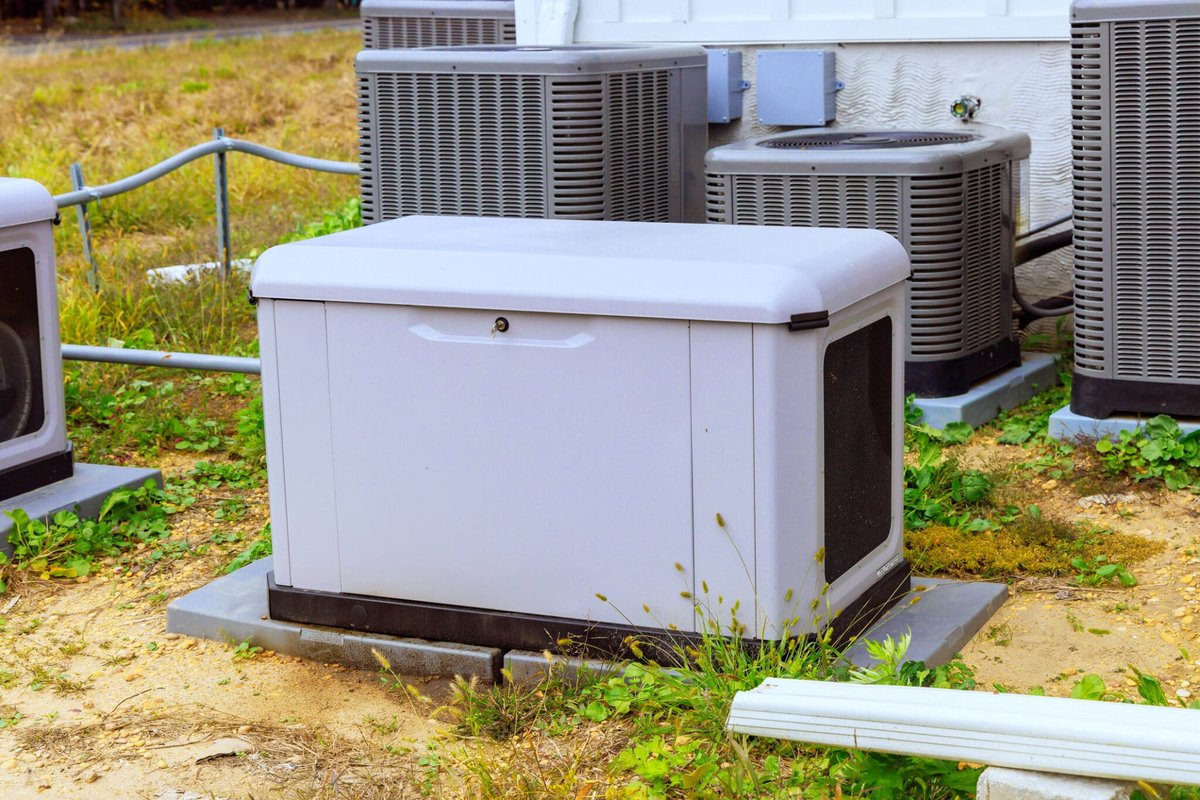
When the lights go out, or you need power where the grid can't reach, a generator becomes your essential lifeline. But choosing the right one isn't just about wattage; it's fundamentally about Generator Fuel Types & Efficiency. The fuel you pick dictates everything from your operating costs and storage headaches to noise levels, environmental impact, and how long your power truly lasts. It’s a decision that impacts your peace of mind, your budget, and even your safety, whether you’re planning for a hurricane, a camping trip, or a remote construction project.
Generator Fuel Types & Efficiency: At a Glance
- Gasoline: Common, affordable, portable, but short shelf life, noisy, high emissions. Best for short, infrequent use.
- Propane (LP Gas): Clean-burning, indefinite shelf life, quieter, but requires tanks, slightly lower energy density. Excellent for medium-term home backup.
- Diesel: Highly efficient, durable, long engine life, safer to store, but high initial cost, louder, can gel in cold. Ideal for heavy loads, long-duration whole-home backup.
- Natural Gas: Unlimited supply (if connected), clean, no storage needed, but stationary, high installation cost. The ultimate hands-off standby solution.
- Dual-Fuel: Versatile, offers fuel flexibility, but slightly higher cost, requires managing two fuel types. Great for adaptable needs.
- Solar (Battery): Eco-friendly, silent, zero emissions, safe for indoor use, but limited power, dependent on sun/charging infrastructure, higher upfront cost. Best for small electronics, light duty, or supplemental power.
The Power Behind the Power: Why Fuel Choice Is Your First Move
Think of your generator's fuel as its lifeblood. The type you choose isn't just a minor detail; it’s the cornerstone of your generator's performance, longevity, and practicality. It influences not only how much power you get and for how long, but also the environmental footprint, the noise it generates, and the crucial safety measures you'll need to observe. Getting this right means a generator that truly serves your needs, rather than becoming another source of frustration.
Let's break down the primary fuel types, weighing their strengths and weaknesses to help you find your perfect match.
Gasoline Generators: The Go-To for Quick Fixes
Gasoline generators are perhaps the most common sight on job sites, campgrounds, and in suburban garages. They're the workhorses for short-term, portable power needs, often seen in smaller inverter generators or mid-range portable units.
- The Upside: Gasoline is incredibly easy to find, available at virtually every gas station. Most portable and inverter generators are designed to run on it, making them widely accessible and often more affordable upfront. They offer decent power output for their size and are simple to refuel on the fly.
- The Downside: The biggest drawback? Gasoline spoils. Without stabilizer, it degrades in just 3 to 6 months, turning gummy and potentially damaging your engine. These generators tend to be louder and produce higher emissions compared to other types. During extended outages, you'll be constantly refueling, and sourcing gasoline can become a challenge if local pumps are down.
- Typical Use Cases: Camping, tailgating, powering tools on a construction site, or handling a short home power outage (e.g., keeping a refrigerator and a few lights on for 8-12 hours on a full tank).
- Safety & Maintenance Tips: Always store gasoline in approved, red containers away from living areas and direct sunlight. For storage longer than a month, use a fuel stabilizer. Crucially, always run your gasoline generator outdoors, at least 20 feet from any windows, doors, or vents, to prevent lethal carbon monoxide poisoning—a topic we delve into with essential portable generator safety tips carbon monoxide safety in another guide. Rotate your fuel stock regularly to ensure freshness.
Propane Generators (LP Gas): The Cleaner, Quieter Alternative
Propane has steadily gained popularity, especially for home backup, thanks to its cleaner burn and storage benefits. You'll find it powering both portable units and larger standby generators.
- The Upside: Propane burns incredibly clean, meaning lower emissions and less wear and tear on your engine over time. Its most significant advantage? An indefinite shelf life when stored in sealed tanks. No fuel stabilizers needed, no worries about it spoiling. Propane generators are also generally quieter than their gasoline or diesel counterparts, and the fuel is safer to store than gasoline due to its lower flammability.
- The Downside: Propane has a slightly lower energy density than gasoline or diesel, which means you might need larger tanks or more frequent refills to achieve the same runtimes. While widely available, securing large propane tanks and delivery might require pre-planning or a dedicated service, especially in very remote areas. The initial cost for a propane standby generator and tank installation can also be higher.
- Typical Use Cases: Medium to large residential standby power, providing several days or even weeks of power for an average home (e.g., a 22 kW propane unit with a 500-gallon tank can run a typical home for 7-10 days). It's also a popular choice for RVs and some portable units.
- Safety & Maintenance Tips: Regularly inspect tanks, hoses, and fittings for leaks. Store propane tanks upright and outdoors in a well-ventilated area, away from ignition sources. Keeping spare tanks full, especially before storm season, is a smart strategy.
Diesel Generators: The Endurance Champions
When you need serious, long-lasting power for heavy loads, diesel generators are often the first choice. They're renowned for their reliability and durability, frequently found in commercial settings, farms, and large residential standby systems.
- The Upside: Diesel engines are built to last, offering superior durability and a longer lifespan compared to gasoline units. They boast high fuel efficiency, particularly under heavy loads, meaning you'll get more power per gallon and longer runtimes. Diesel fuel itself is less volatile than gasoline, making it safer to store. Plus, these generators generate more torque, making them excellent for powering demanding appliances or multiple systems simultaneously. A 15 kW diesel generator, for instance, can power a large home's HVAC, well pump, and kitchen appliances for days with less fuel consumption than comparable gasoline or propane systems.
- The Downside: The initial purchase price for both the diesel generator and its installation can be significantly higher. They are generally louder than propane or natural gas units, though modern enclosures have improved this. In very cold climates, diesel fuel can gel, necessitating fuel additives or heated storage. They also tend to be heavier, limiting portability.
- Typical Use Cases: Whole-home backup for large properties, industrial applications, agricultural operations, and high-demand commercial power needs.
- Safety & Maintenance Tips: In cold regions, always use fuel conditioners to prevent gelling. Store diesel fuel in clean, sealed containers and aim to rotate your stock every 6 to 12 months. Regular maintenance, including oil changes, and replacing fuel and air filters, is crucial for extending engine life.
Natural Gas Generators: Unlimited, Seamless Power
Natural gas generators offer the ultimate convenience for homeowners with an existing gas utility connection. They are almost exclusively used for stationary standby systems, providing a "set it and forget it" power solution.
- The Upside: The major benefit is an virtually unlimited fuel supply, piped directly to your home from the utility grid. This means no refueling, no fuel storage, and no worries about running out during a prolonged outage. Natural gas burns cleanly, resulting in low emissions and quieter operation.
- The Downside: The biggest limitation is the requirement for an existing natural gas line at your property. If you don't have one, installation costs can be prohibitive as it involves running new lines. These units are also permanently installed and not portable. The initial installation costs for the generator and gas line hookup are typically higher than for portable units.
- Typical Use Cases: Long-term, whole-home standby power for residential properties or commercial buildings with a natural gas connection.
- Safety & Maintenance Tips: Installation and maintenance must strictly adhere to local building codes and utility guidelines for gas line connections. Regular inspections by qualified professionals are essential to ensure the integrity of the gas line and the generator's safety.
Dual-Fuel Generators: The Best of Both Worlds?
Dual-fuel generators offer remarkable flexibility, capable of running on either gasoline or propane. This adaptability makes them increasingly popular for those who want options.
- The Upside: The primary advantage is versatility. You can switch between fuels based on availability, cost, or storage convenience. This effectively extends your runtime during emergencies by allowing you to tap into different fuel reserves. If gasoline is scarce, switch to propane; if your propane tank runs dry, you have gasoline as a backup. This makes them useful for both home backup and recreational activities like camping where fuel access might vary.
- The Downside: Expect a slightly higher purchase price compared to single-fuel units. You also inherit the responsibilities of storing and managing two different types of fuel, each with its own safety and shelf-life considerations.
- Typical Use Cases: Homeowners seeking flexible backup power, recreational users who travel to various locations, or anyone wanting redundancy in their fuel supply. For example, a 7.5 kW dual-fuel portable generator could power home essentials on propane during an outage, then switch to gasoline for a weekend camping trip.
- Safety & Maintenance Tips: Keep both gasoline and propane supplies fresh and stored safely according to their respective guidelines. It’s crucial to follow maintenance instructions for both fuel systems and, just like practicing with Harbor Freight portable generators or any new equipment, practice switching between fuels before an actual emergency to ensure smooth startup.
Solar (Battery) Generators: The Eco-Friendly, Silent Power
While technically not "fuel-burning" in the traditional sense, solar generators (more accurately, battery power stations charged by solar panels or AC) represent a growing segment for quiet, emission-free power.
- The Upside: Zero emissions, zero fuel costs, and absolutely silent operation. These units are safe for indoor use, require minimal maintenance, and are highly portable. They harness renewable energy, making them an excellent eco-friendly choice.
- The Downside: Their major limitation is power output; they are not suitable for high-demand appliances like central HVAC systems or electric water heaters. They depend on sunlight for recharging (if using solar panels) or an AC outlet, and their initial investment can be higher for a given capacity. A 2 kW solar generator, for example, is perfect for laptops, phones, LED lights, and small fans—great for short outages or off-grid cabins, but not whole-home coverage.
- Typical Use Cases: Powering small electronics, charging devices, running lights, or providing supplemental power for RVs or remote cabins.
- Safety & Maintenance Tips: Keep solar panels clean for maximum charging efficiency. Store batteries at recommended charge levels to prolong their lifespan. Always avoid overloading circuits and stick to the manufacturer's power limits. For truly comprehensive solutions, these often pair with other types, as explored in off-grid power solutions for diverse needs.
Beyond the Tank: Factors Influencing True Generator Efficiency
"Efficiency" isn't just about how many gallons per hour your generator consumes. It's a holistic measure encompassing fuel consumption, reliability, maintenance demands, and how well it matches your actual power needs.
- Engine Type and Technology: Inverter generators, common for gasoline and some propane models, are highly efficient. They automatically adjust engine speed to match the load, significantly reducing fuel consumption and noise compared to conventional generators that run at a constant, high RPM.
- Load Management: An oversized generator running a small load is inherently inefficient, wasting fuel and potentially leading to "wet stacking" in diesel engines (unburned fuel accumulation). Conversely, an undersized generator will struggle and potentially damage itself. Proper generator sizing proper generator sizing is paramount to efficiency and longevity.
- Regular Maintenance: A well-maintained generator—with clean air filters, fresh oil, and properly gapped spark plugs—will always run more efficiently than a neglected one. This includes checking fuel lines, battery terminals, and overall unit health, a process detailed in any comprehensive generator maintenance checklist a comprehensive generator maintenance checklist.
- Fuel Quality and Storage: Clean, fresh fuel is vital. Stale gasoline or diesel contaminated with water or microbes will drastically reduce efficiency and can cause costly engine damage. This is where fuel stabilizer benefits fuel stabilizer benefits truly shine for stored fuels.
- Environmental Conditions: Extreme temperatures can affect generator performance and fuel efficiency. Diesel, for instance, requires conditioners in cold weather to prevent gelling.
Matching Fuel Type to Your Needs: A Decision Framework
Choosing wisely requires asking yourself a few pointed questions.
1. What's Your Primary Use Case?
- Emergency Home Backup (Short-Term/Occasional): If you only need power for a few hours occasionally to run essentials (fridge, lights), a portable gasoline or dual-fuel generator is often sufficient and budget-friendly.
- Emergency Home Backup (Extended/Whole-Home): For multi-day outages or powering your entire home, a propane, diesel, or natural gas standby generator is the superior choice for endurance and capacity. Consider your complete guide to home backup power solutions for in-depth planning.
- Recreational/Portable Power: Camping, tailgating, or powering tools on remote sites often points to portable gasoline, inverter, or dual-fuel units for their mobility and ease of refueling.
- Off-Grid Living/Eco-Conscious: Solar (battery) generators are ideal for supplemental power, charging devices, and light loads, especially when paired with other sources in a hybrid system.
2. Assessing Local Availability and Storage Logistics
- Gasoline: Universally available, but requires frequent trips during long outages and has limited shelf life. Do you have safe, cool, dry space for approved containers?
- Propane: Readily available in tanks, but requires delivery service for larger tanks or trips to a refill station. Do you have space for a 100-gallon or 500-gallon tank on your property?
- Diesel: Generally available at gas stations or through bulk delivery. Do you have safe, secure storage containers that protect from contamination and extreme temperatures?
- Natural Gas: Only an option if you have an existing utility connection. This is a non-issue once installed, as the supply is continuous.
- Solar: No fuel to store! But consider how much sunlight your property gets and if you have space for panels.
3. Understanding Your Budget: Upfront vs. Ongoing Costs
- Initial Purchase Price: Gasoline portables are usually the cheapest entry point. Standby units (natural gas, propane, diesel) have higher upfront costs, factoring in the unit itself and installation. Solar generators also represent a significant initial investment.
- Fuel Costs: This fluctuates based on market prices. Diesel is generally very efficient. Propane might be slightly more expensive per BTU than natural gas, but less than gasoline. Natural gas costs are typically stable through your utility.
- Maintenance Costs: Diesel engines, while durable, can have higher maintenance costs for parts and specialized service. Natural gas and propane are cleaner burning, potentially leading to lower long-term engine maintenance.
4. Navigating Noise, Emissions, and Environmental Impact
- Noise: Standard gasoline and diesel generators can be quite loud. Inverter generators and propane/natural gas units are significantly quieter. If noise is a concern for neighbors or your own comfort, the quiet operation of inverter generators or gas options are preferable.
- Emissions: Solar produces zero emissions. Propane and natural gas are clean-burning with low emissions. Diesel is moderate, and gasoline produces the highest emissions. For an eco-conscious homeowner, this is a significant factor.
5. Maintenance Commitment: What Are You Signing Up For?
- High Maintenance (Gasoline/Diesel): Requires regular fuel rotation, stabilizers, oil changes, and filter replacements.
- Medium Maintenance (Propane/Dual-Fuel): Propane is low maintenance regarding fuel, but dual-fuel units require attention to both systems.
- Low Maintenance (Natural Gas/Solar): Natural gas units are very low maintenance on the fuel side. Solar units primarily require panel cleaning and battery monitoring.
6. Portability vs. Stationary Power Needs
- Portable: Gasoline, propane, dual-fuel, and solar battery generators are designed for mobility.
- Stationary: Natural gas and larger diesel/propane standby generators are permanent installations, tied to your property.
Generator Fuel Types: A Side-by-Side Snapshot
| Fuel Type | Storage Life | Emissions | Noise Level | Availability During Outages | Best Use Case |
|---|---|---|---|---|---|
| Gasoline | 3 to 6 months | High | Moderate to High | May be limited if supply chain disrupted | Portable, short-term backup |
| Propane | Indefinite | Low | Low to Moderate | Available if pre-stored | Standby, partial backup |
| Diesel | 6 to 12 months | Moderate | High | May require bulk delivery | Whole-home, high demand |
| Dual-Fuel | Varies | Low to High | Moderate | Flexible depending on stored fuel | Flexible home and travel use |
| Natural Gas | Unlimited (utility) | Low | Low | Unlimited from utility provider | Stationary, long-term whole-home backup |
| Solar | N/A | None | None | Unlimited if sunny | Small electronics, eco-friendly backup |
Smart Fuel Management & Safety Practices: Your Power Blueprint
No matter your choice, responsible fuel management and rigorous safety are non-negotiable.
- Storage First: Always store all fuels in approved, correctly labeled containers. Keep them in a cool, dry, well-ventilated area, away from living spaces, ignition sources, and direct sunlight.
- Rotate and Stabilize: For gasoline and diesel, rotate your stock every 3-6 or 6-12 months, respectively. Use a high-quality fuel stabilizer for any fuel you anticipate storing for longer periods. This is a simple step that saves huge headaches.
- Refuel Safely: Always turn off and cool down your generator before refueling. Spilled fuel on a hot engine is a major fire hazard.
- Ventilation is Vital: Generators produce carbon monoxide, an odorless, colorless, deadly gas. NEVER run a generator indoors or in a partially enclosed space. Maintain at least 20 feet of distance from your home's windows, doors, and vents. Install carbon monoxide detectors in your home for added peace of mind.
- Practice Makes Perfect: If you have a dual-fuel unit, practice switching between fuels before an emergency. This ensures you’re familiar with the procedure and helps prevent startup issues when you need it most.
- Right Size for Right Power: Ensure your generator is correctly sized for your power needs. An undersized unit will strain and fail; an oversized one wastes fuel and money.
Crafting Your Reliable Power Strategy
Choosing the right generator fuel type is a critical decision that balances immediate needs against long-term costs, convenience, and safety. There's no single "best" fuel; only the best fuel for you. By carefully considering your specific requirements—from the nature of your power needs and local fuel availability to your budget, environmental preferences, and maintenance commitment—you can make an informed choice that ensures reliable power when you need it most. Armed with this knowledge, you're not just buying a generator; you're investing in your peace of mind.