Power outages: they're inconvenient, disruptive, and sometimes even dangerous. Whether you're facing a winter storm, a summer blackout, or simply need reliable power for a remote job site or a weekend camping trip, a portable generator can be a true lifesaver. But with so many options out there, choosing a Harbor Freight portable generator that genuinely fits your needs can feel like navigating a maze.
Harbor Freight has earned its reputation as a go-to for value-driven tools, and their portable generators, particularly the popular Predator line, are no exception. They offer robust performance without the premium price tag. This isn't just about buying a machine; it's about investing in peace of mind and practical power solutions. So, let's cut through the noise and figure out which one is right for you.
At a Glance: Your Portable Generator Checklist
Before we dive deep, here’s a quick overview of what to keep in mind when selecting your Harbor Freight portable generator:
- Assess Your Power Needs: Calculate your essential appliances' starting and running wattage. Don't guess!
- Fuel Type Matters: Decide between gasoline (powerful), propane (clean, long storage), or dual-fuel (flexible).
- Consider Portability: Will it stay in one spot, or do you need wheels and a handle for easy transport?
- Inverter vs. Conventional: Inverters are quieter and safer for electronics; conventional generators offer raw power for less.
- Run Time & Tank Size: How long do you need power without refueling?
- Noise Level: Measured in decibels (dB), this can be a deal-breaker for residential areas or camping.
- Key Features: Look for electric start, low oil shutoff, multiple outlets, and a CO sensor.
- Maintenance Commitment: Generators need regular care to stay reliable.
Why Harbor Freight for Your Generator Needs?
Harbor Freight isn't just about discounted tools; it's about accessible utility. For many homeowners, small business owners, and outdoor enthusiasts, their portable generators strike an ideal balance between cost and capability.
Their Predator brand, in particular, has garnered significant attention and a loyal following. These aren't flimsy machines; they're designed for consistent performance, featuring durable engines and thoughtful user features. You'll find models suitable for everything from powering a few critical appliances during an emergency to running heavy-duty tools on a construction site or keeping your RV comfortable off-grid. Harbor Freight also frequently offers coupons and promotions, making their already competitive prices even more attractive.
Decoding Wattage: The Heart of Your Generator Choice
This is arguably the most critical step in your decision-making process. Get your wattage wrong, and you'll either have a generator that can't power your essentials or one that's overkill, wasting fuel and money. Think of wattage as the generator's muscle.
Every appliance has a wattage rating – some need a burst of power to start (starting watts or surge watts), and then settle down to a lower, steady output (running watts). Motors, like those found in refrigerators, freezers, and air conditioners, have high starting wattages. Electronics, like TVs and laptops, generally have low, consistent running wattages.
Calculating Your Home's Critical Power Needs
Let's walk through this process. Grab a pen and paper, or open a spreadsheet.
- List Your Essentials: What absolutely must run during an outage? Think refrigerator, freezer, sump pump, furnace fan, lights, perhaps a medical device, and certainly your phone charger.
- Find the Wattage: Look for the wattage label on each appliance. If you see amps and volts, multiply them (Amps x Volts = Watts). Note both starting and running watts where applicable.
- Identify the Highest Starting Wattage: Your generator needs to be able to handle the single highest starting wattage of any appliance you plan to run, plus the running watts of all other appliances that will be operating simultaneously. This is often the tricky part.
Example Scenario (Emergency Home Use):
| Appliance | Running Watts | Starting Watts (if applicable) |
| :-------------- | :------------ | :----------------------------- |
| Refrigerator | 800 | 2200 |
| Sump Pump | 750 | 1500 |
| Furnace Fan (gas) | 600 | 1200 |
| Lights (LED x 5) | 50 | - |
| TV | 100 | - |
| Laptop Charger | 75 | - |
| Phone Charger | 10 | - |
Let's assume you want to run the fridge, some lights, and chargers constantly. When the sump pump or furnace kicks on, the generator needs to handle its surge.
- Total Running Watts (without surge): 800 (fridge) + 50 (lights) + 100 (TV) + 75 (laptop) + 10 (phone) = 1035 Running Watts.
- Highest Single Starting Wattage: The refrigerator needs 2200W to start. The sump pump needs 1500W, and the furnace needs 1200W. The refrigerator has the highest surge.
If your refrigerator kicks on while everything else is running, the generator needs to provide 1035 (running) - 800 (fridge's running) + 2200 (fridge's starting) = 2455 Watts for that brief moment.
If the sump pump kicks on while everything except the fridge's surge is running, it'd be 1035 (running) - 750 (sump's running) + 1500 (sump's starting) = 1785 Watts.
So, for this scenario, you'd need a generator with at least 2500-3000 running watts to comfortably handle the refrigerator's surge while other items are running. It's always wise to add a 10-20% buffer. A 3500-watt generator, like the popular Predator 3500, would be a comfortable fit for this setup. For a more detailed guide to understanding your specific needs, consult a detailed guide to understanding generator wattage.
The 70% Rule: Don't Max It Out
A golden rule: never continuously run your generator at its maximum rated wattage. Aim for 70-80% of its running capacity. This extends the generator's life, prevents overheating, and allows a bit of headroom for unexpected surges. If your calculations point to 3000 running watts, consider a 4000-5000 watt generator.
Fueling Your Decision: Gasoline, Propane, or Dual-Fuel?
The type of fuel your generator uses significantly impacts convenience, cost, storage, and performance. Harbor Freight offers options for all common types.
- Gasoline Generators:
- Pros: Generally offer the highest power output for their size. Gasoline is widely available at any gas station.
- Cons: Gasoline has a relatively short shelf life (3-6 months without stabilizer) and can gum up carburetors. It's highly flammable and dangerous to store in large quantities, requiring proper ventilation. Fumes are a concern.
- Best For: Those who need maximum power in a compact package and can easily access fresh fuel, or for less frequent, shorter outages.
- Propane Generators:
- Pros: Burns cleaner, leading to less engine maintenance and longer engine life. Propane has an indefinite shelf life, making it excellent for long-term storage and emergency preparedness. It's also safer to store than gasoline and produces fewer fumes.
- Cons: Produces slightly less power than an equivalent gasoline generator (usually 10-15% less). Propane tanks can be bulky and require specific connections. You need to store multiple tanks for extended run times.
- Best For: Emergency backup where long-term fuel storage is key, RVing, or anyone prioritizing cleaner operation and less maintenance.
- Dual-Fuel Generators:
- Pros: The ultimate in flexibility. You can switch between gasoline and propane, offering the best of both worlds. Use propane for long-term storage readiness, then switch to gasoline if propane runs out or you need maximum power. Many popular Harbor Freight models, like certain Champion generators, offer this feature.
- Cons: Can be slightly more expensive than single-fuel equivalents. More complex fuel systems mean potentially more components to maintain.
- Best For: Anyone wanting maximum versatility and peace of mind, knowing they have options if one fuel source becomes scarce. Understanding the benefits of dual-fuel generators can help solidify this choice.
Portability and Design: Where Will Your Power Live?
A "portable" generator can range from a briefcase-sized inverter to a beastly open-frame model on heavy-duty wheels. Your intended use will dictate the ideal design.
- Weight & Wheels: Most standard generators are heavy. If you'll be moving it frequently, invest in one with large, durable wheels and a comfortable, foldable handle. Look for solid, never-flat tires.
- Open-Frame vs. Inverter:
- Open-Frame Generators: These are your traditional, more industrial-looking generators. They're typically louder but offer a lot of raw power for a lower price. Ideal for job sites, large-scale home backup (if connected via transfer switch), or anywhere noise isn't a primary concern.
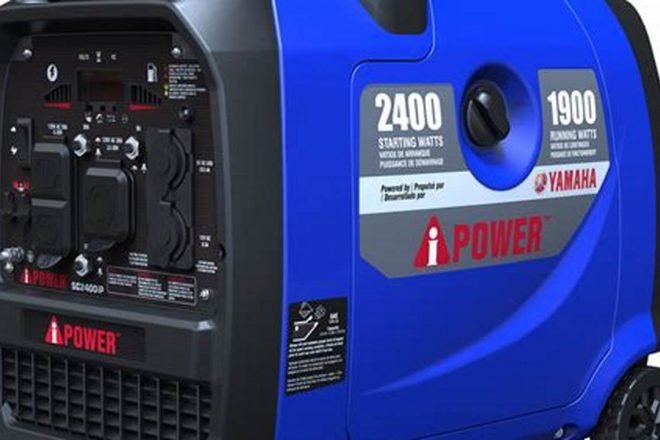
- Inverter Generators: These are generally more compact, enclosed, and significantly quieter. They produce "clean" sine wave power, which is crucial for sensitive electronics like laptops, smartphones, and certain medical devices. They are also more fuel-efficient, as their engines can adjust RPMs to match the load. The trade-off is usually a higher price per watt. Excellent for camping, RVs, tailgating, and residential emergency backup where quiet operation is desired.
For many homeowners, the Predator 3500 inverter generator strikes a fantastic balance of power, quiet operation, and portability. If you need serious wattage for power tools or major home appliances, an open-frame model like the Predator 8750 might be more appropriate.
The Harbor Freight Stars: Predator Powerhouses
Harbor Freight’s Predator line has become synonymous with affordable, reliable power. Let's look at a couple of their most popular models:
Predator 3500 Watt Super Quiet Inverter Generator
This model is a perennial favorite for a reason.
- Why it shines: It offers 3500 peak watts and 3000 running watts, which is enough to power critical home appliances (fridge, lights, furnace fan) or a good-sized RV. Its "super quiet" operation (around 57 dB) is a major selling point, making it suitable for residential areas and campgrounds where noise is a concern. It also delivers clean sine wave power, protecting your sensitive electronics.
- Ideal for: Homeowners needing quiet, efficient backup for essential appliances, RV enthusiasts, campers, and tailgaters. It often features an electric start for easy operation.
Predator 8750 Watt Generator (or similar high-wattage open-frame)
When you need serious muscle, the larger Predator open-frame generators step up.
- Why it shines: With 8750 peak watts and 7000 running watts (or similar configurations, depending on the specific model), this generator can handle much heavier loads. Think construction tools, multiple large appliances, or even partial whole-home backup via a manual transfer switch.
- Ideal for: Job sites, larger homes needing more substantial backup power, or situations where raw power and a lower cost per watt are prioritized over quiet operation. Be aware that these units are considerably louder than their inverter counterparts. An in-depth look at Predator generators reveals just how versatile this line truly is.
Champion 3400 Watt Dual Fuel Inverter Generator
While not a "Predator," Harbor Freight occasionally carries Champion models, and the 3400-watt dual-fuel inverter is a fantastic option if available.
- Why it shines: Combining the clean, quiet power of an inverter with the flexibility of dual-fuel, this generator offers 3400 peak watts and 3100 running watts on gasoline (slightly less on propane). Its quiet operation and electric start make it incredibly user-friendly.
- Ideal for: Anyone who values the quiet and clean power of an inverter but also wants the flexibility of using both gasoline and propane for extended versatility and peace of mind during longer outages.
Always check Harbor Freight’s current inventory and promotions, as specific models and brands can vary. You can typically find a good selection when you Explore Harbor Freight portable generators.
Beyond the Big Three: Essential Features to Look For
Once you've narrowed down your wattage and fuel type, scrutinize these crucial features:
- Outlets:
- 120V AC Outlets (Standard Home Plugs): You'll need enough to plug in your essential items.
- 240V AC Outlets (Twist-Lock): Necessary for larger appliances like well pumps, central air conditioning, or some electric ranges. If you plan to connect to your home's electrical panel via a transfer switch, this is often required.
- USB Ports: A nice bonus for charging phones, tablets, and other small electronics.
- RV Outlets: If you're using it for an RV, ensure it has the correct NEMA TT-30R (30-amp) or 14-50R (50-amp) outlet.
- Run Time & Fuel Tank Size: A larger fuel tank generally means longer run times between refills. However, engine efficiency also plays a huge role. Inverter generators often boast longer run times on smaller tanks due to their ability to throttle down. Look for the "run time at 25% load" or "50% load" specification to get a realistic idea.
- Noise Level (Decibels - dB): This is a huge factor, especially in residential areas or while camping.
- 50-60 dB: Super quiet (like a normal conversation). Mostly inverter generators.
- 60-70 dB: Noticeable but tolerable (like a washing machine). Some smaller open-frame.
- 70-80+ dB: Loud (like a vacuum cleaner or busy street). Most larger open-frame.
- Electric Start: A push-button or remote start is a godsend, especially in an emergency. It typically requires a small battery. Many models also include a pull-start as a backup.
- Low Oil Shutoff: An essential safety feature that automatically turns off the engine if the oil level drops too low, preventing catastrophic engine damage.
- Fuel Gauge: Simple but incredibly useful for monitoring fuel levels at a glance.
- Hour Meter: Helps you track maintenance intervals (oil changes, filter replacements).
- Carbon Monoxide (CO) Sensor: An increasingly common and vital safety feature. If CO levels become dangerously high near the generator, it will automatically shut off. Even with this feature, never run a generator indoors or in an enclosed space.
Safety First: Non-Negotiable Rules for Generator Operation
A portable generator is a powerful tool, but it demands respect and adherence to strict safety protocols. Overlooking these can have dire, even fatal, consequences. For detailed instructions on proper usage, you'll find essential generator safety tips invaluable.
- Outdoor Use ONLY: This cannot be stressed enough. Generators produce carbon monoxide (CO), an odorless, colorless, and deadly gas. Always operate your generator at least 20 feet away from your home, with the exhaust pointed away from windows, doors, and vents. Even a garage with the door open is NOT safe.
- Proper Ventilation: Ensure the generator has plenty of clear air around it.
- Dry Conditions: Never operate a generator in rain or wet conditions. If you need to use it in inclement weather, do so under a purpose-built generator tent or canopy that allows for ample airflow while protecting the unit from moisture.
- Fuel Handling:
- Refuel Safely: Always turn off the generator and allow it to cool down before refueling. Gasoline is highly flammable, and spilled fuel on a hot engine can ignite.
- Proper Storage: Store fuel in approved containers away from living areas and direct sunlight.
- Electrical Safety:
- Heavy-Duty Extension Cords: Use outdoor-rated, heavy-gauge extension cords that are appropriate for the wattage you're drawing. Undersized cords can overheat and cause fires.
- Avoid Backfeeding: NEVER plug your generator directly into a wall outlet. This is called "backfeeding" and can send power back through the utility lines, electrocuting utility workers or anyone else who comes into contact with the lines. It can also damage your home's electrical system.
- Transfer Switch or Interlock Kit: For safely powering a home's hardwired appliances, a professionally installed manual transfer switch or interlock kit is required. This isolates your home from the utility grid, preventing backfeeding.
- Child and Pet Safety: Keep children and pets away from the generator, especially when it's running. The hot exhaust and moving parts pose burn and injury risks.
Maintenance Matters: Keeping Your Generator Ready
A generator is an emergency tool – it needs to be ready to go when you need it most. Regular maintenance is crucial. Think of it like a car; neglect it, and it won't start when you turn the key. A comprehensive portable generator maintenance guide can detail these steps more thoroughly.
- Change the Oil Regularly: This is the most critical maintenance task. Follow the manufacturer's recommendations (usually after the first 20-25 hours, then every 50-100 hours or annually). Always use the recommended oil type.
- Inspect and Replace the Air Filter: A dirty air filter restricts airflow, reducing performance and increasing fuel consumption. Check it regularly and replace it when it's visibly dirty.
- Check the Spark Plug: A fouled spark plug can lead to hard starting or misfires. Inspect it annually and replace it if it's dirty, worn, or the gap is incorrect.
- Fuel Management (Gasoline Generators):
- Fuel Stabilizer: If you plan to store gasoline in the generator for more than a month, add a fuel stabilizer to prevent gumming and corrosion.
- Drain the Carburetor: For long-term storage (over a few months), it's best to drain the carburetor of any remaining fuel or run the generator until it runs out of fuel. This prevents stale fuel issues.
- Battery Maintenance (Electric Start Models): If your generator has an electric start, its battery needs care. Use a trickle charger or battery tender during long storage periods to keep it charged and ready.
- Run It Monthly: The best way to keep your generator in top shape is to run it under a moderate load (e.g., plug in a few lights or a small space heater) for 15-30 minutes once a month. This lubricates internal components, keeps the carburetor clear, and charges the battery (if applicable).
- Keep it Clean: Regularly wipe down the generator to remove dust, dirt, and debris. Ensure cooling fins are clear for proper heat dissipation.
Making the Purchase: Smart Shopping at Harbor Freight
You've done your research, you know your needs, and you've picked a few potential models. Now it's time to buy.
- Check Current Promotions: Harbor Freight is famous for its coupons and sales. Always check their website, app, or flyer for current deals. You can often save a significant amount.
- Read Reviews: While this guide provides a strong foundation, always check recent user reviews on the Harbor Freight website for specific models. Look for consistent feedback on reliability, customer service, and common issues.
- Warranty and Return Policy: Understand Harbor Freight's warranty for generators and their return policy in case you encounter issues. Keep your receipt!
- In-Store vs. Online: Consider the weight of the generator. Many are heavy, so having it shipped (if available and affordable) or picking it up with appropriate vehicle support might be necessary. Seeing it in person allows you to check for build quality and portability features.
Common Questions & Misconceptions Debunked
Let's clear up some common generator queries:
- "Can I run my whole house with a portable generator?"
Not typically. Most portable generators (even larger ones like the Predator 8750) are designed to power critical circuits or a selection of appliances, not an entire modern home with its high electrical demands (central AC, electric dryer, electric stove, etc.). For whole-home backup, you'd generally need a much larger, often permanently installed, standby generator, or a very strategic approach with a manual transfer switch and careful load management. - "Is an inverter generator really worth the extra cost?"
For most homeowners, absolutely. The benefits of quieter operation, fuel efficiency, and clean power for sensitive electronics often outweigh the higher upfront cost. If you only need brute force for power tools on a job site where noise isn't an issue, a conventional open-frame might suffice. - "How long can a portable generator run continuously?"
Most portable generators are designed for intermittent use, not 24/7 continuous operation for days on end. While they can typically run for 8-12 hours on a tank of fuel, running them for more than 24-48 hours continuously without a break can put significant strain on the engine. Always follow the manufacturer's guidelines, allow for cool-down periods, and ensure proper maintenance during extended use. - "What's the best fuel type for long-term storage?"
Propane, hands down. It has an indefinite shelf life and won't degrade or gum up your carburetor like gasoline can. This makes propane generators or dual-fuel models excellent for emergency preparedness. If storing a gasoline generator, always use a fuel stabilizer or drain the fuel system.
Your Next Steps to Power Security
Choosing the right portable generator from Harbor Freight is a smart move toward self-reliance. It's about empowering your home, your projects, or your adventures with reliable electricity when you need it most.
Take the time to accurately assess your wattage needs, consider the pros and cons of each fuel type, and envision where and how you'll use the generator. With this comprehensive guide in hand, you're not just buying a machine; you're investing in peace of mind. Visit Harbor Freight, compare the Predator models, and make an informed decision that will serve you reliably for years to come.